Kwanjana: A story of Hope and Change
30 March 2026
Meet the Chief – A Leader with a Vision
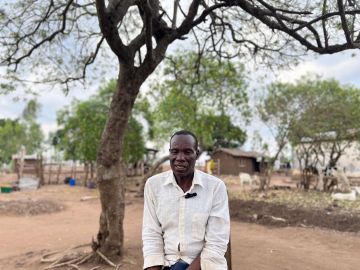
Kwanjana’s Group Village Head has served his community for nearly 12 years, overseeing several small villages in the area. As chief, his role is deeply personal: ensuring peace, resolving conflicts, and supporting those in need. “If I am able to assist someone who is hungry, I am happy to do so,” he says, “but most of the time resources are limited.”
Life in Kwanjana Ten Years Ago
A decade ago, Kwanjana was an isolated village with few opportunities. Families lived in inadequate housing, children rarely attended school, and access to healthcare was limited—the nearest health center was six kilometers away. “Parents had other priorities, and education was not always considered important,” the chief recalls. Early marriages among young people were common, and basic needs often took precedence over long-term planning.
Witnessing Transformation
Over the past ten years, Kwanjana has changed dramatically. Education has become a cornerstone of this transformation. Children now attend school regularly, enjoy learning, and even speak English with confidence. “I see it in my own niece,” the chief shares. “She is polite, well-behaved, and thriving in school. The feeding program has also helped children stay energetic and focused in class.”
Families, too, are experiencing improvements. With new housing support, parents no longer spend all their energy securing shelter and can focus on providing food and care. “People here used to work so hard just to get iron sheets on the roof,” the chief explains. “Now, they have peace of mind, especially during the rainy season.”
Health and wellbeing have also improved. Children who might once have been at risk now receive proper care, and community initiatives such as eye check-ups and glasses distribution have made a tangible difference. Cooperation between the community and supporting organizations has built trust and strengthened development efforts.
Social and Mental Shifts
Perhaps the most profound change is in mindset. Attitudes toward education have shifted—parents now see its value, and children are guided to dream bigger. Early marriages are declining, particularly among school-going children. “These children are focused on learning, guided by teachers and mentors, and they don’t even think about marriage at a young age,” the chief notes. Young people now have hope for the future and believe in a better life ahead.
Community Ownership
The community itself has played an essential role in Kwanjana’s development. Parents cook meals for the children, and many helped build houses when support was provided. “What used to feel like a bush area is now growing into a town,” the chief says proudly. “With electricity in the village, it feels like development has finally arrived.”
Challenges That Remain
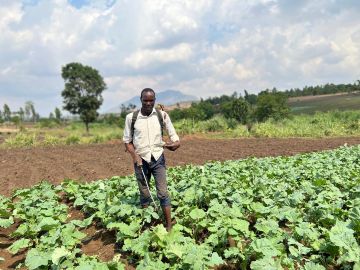
Despite these successes, challenges remain. Kwanjana still lacks a nearby hospital, and secondary school is four kilometers away—too far for some children. Agricultural development also needs more support so families can fully benefit from their labor.
A Vision for the Future
Looking ahead, the chief dreams of a village with local dairy resources, thriving businesses, electricity for all, and children who grow, learn, and transform their community. “I thank all the sponsors and families supporting us,” he says. “Please don’t get tired of us. We want to see this village continue to develop.”
Kwanjana’s story is one of real change, resilience, and hope—a community proving that with dedication, guidance, and support, even the most remote villages can thrive, step by step. Above all, this progress has been possible through God’s help!